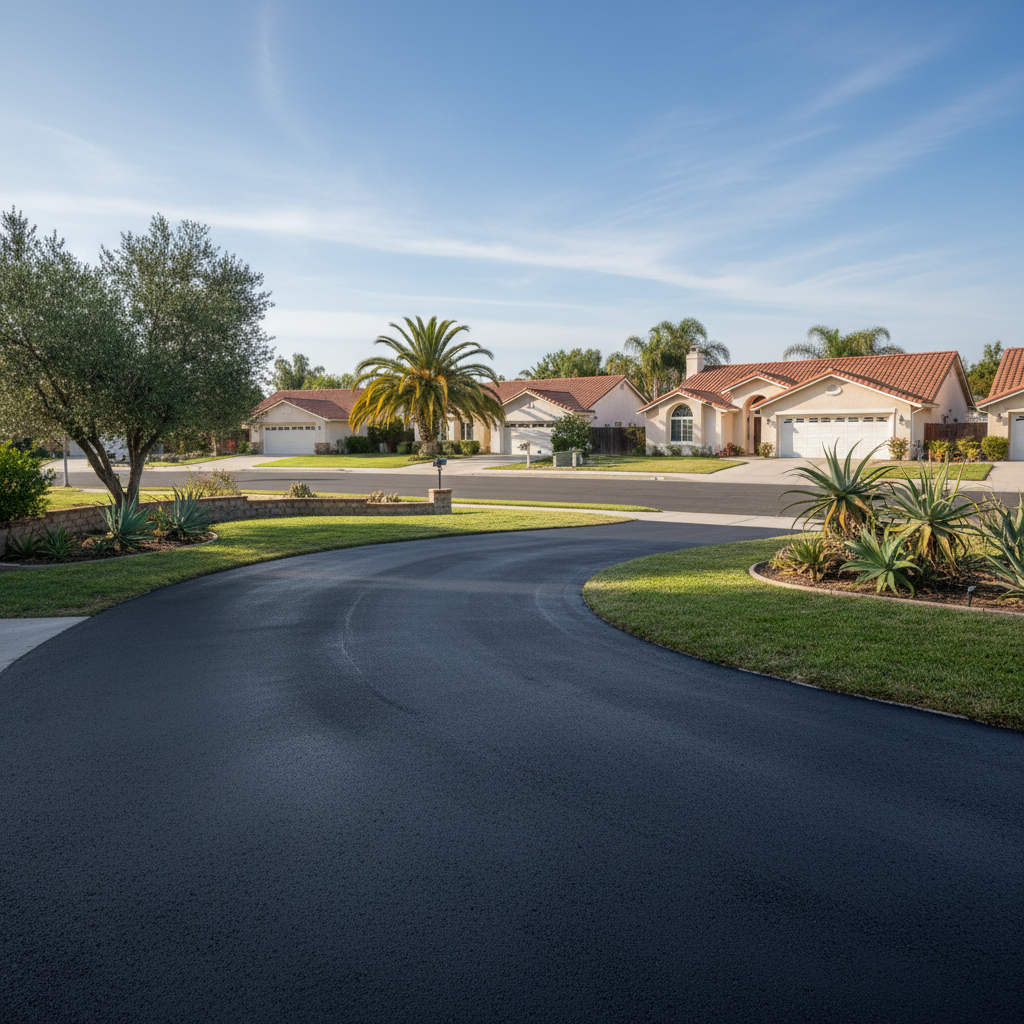
Alright, let's talk about slurry sealing here in Costa Mesa. It's one of those things that homeowners and business owners often ask me about, especially as the seasons change. You've got an asphalt surface, maybe it's looking a little faded, got some tiny cracks, and you're wondering when's the best time to get it sealed up. Good question, because timing and weather are everything for a good, durable slurry coat.
When to Schedule Your Slurry Seal
For us here in Costa Mesa, the sweet spot for slurry sealing is usually late spring through early fall. Think May, June, July, August, September, maybe even early October if we're lucky with the weather. Why then? Because you need consistent warm, dry weather. Slurry seal isn't like paint; it's a mix of asphalt emulsion, aggregate, water, and some additives. It needs time to cure properly, and that means no rain, no heavy dew, and certainly no freezing temperatures.
If you try to do it too early in the spring, you run the risk of those unexpected May Gray or June Gloom days hanging around longer than usual. That marine layer can keep things damp and cool, which isn't ideal for curing. And if you wait too late into fall, our occasional Santa Ana winds can kick up a lot of dust, or we might get an early rainstorm. You want those clear, sunny days where the temperature is consistently above 55-60 degrees Fahrenheit and ideally not scorching hot, like 100 degrees, because that can cause it to dry too fast and crack.
Weather Conditions That Affect the Work
I can't stress this enough: weather is the biggest factor. I've seen too many jobs go south because someone tried to rush it or didn't respect Mother Nature. Here's what we're looking for, and what we're definitely avoiding:
- Temperature: As I said, 60 to 90 degrees Fahrenheit is prime. Too cold, it won't cure right. Too hot, it can dry too quickly, leading to premature cracking or a weak bond.
- Moisture: This is a big one. Absolutely no rain in the forecast for at least 24-48 hours after application. Even heavy dew can mess with the curing process. We're always checking the forecast multiple times before we even think about starting a job.
- Wind: Moderate wind is usually fine, but strong winds can be a problem. They can blow debris onto the wet slurry, or dry it out too fast in spots, leading to an uneven cure. Dust is a huge issue too; we don't want a fresh coat of slurry covered in dust from the next-door construction site or a gusty day.
- Humidity: Lower humidity is better. High humidity slows down the drying process, which means a longer wait before you can drive on it.
Honestly, sometimes we have to reschedule. It happens. It's always better to wait for the right conditions than to do a job that won't last. We're not just slapping stuff down; we want it to hold up for you.
Protecting Your Investment Year-Round
Getting a good slurry seal is just the first step. To make sure your asphalt lasts and you get your money's worth, you've got to take care of it year-round. It's not rocket science, but it does require a little attention.
- Keep it Clean: Sweep off dirt, leaves, and debris regularly. Organic matter can hold moisture against the surface, and sharp debris can cause damage.
- Deal with Spills Immediately: Oil, gas, and other automotive fluids are asphalt's worst enemies. They break down the binder in the asphalt. If you get a spill, clean it up right away with an absorbent material. Don't let it sit.
- Watch for Cracks: Even with a slurry seal, new cracks can form over time, especially with our soil conditions here in Costa Mesa. We've got a lot of expansive clay soils in some areas, which means ground movement can put stress on pavement. If you see new cracks, even small ones, get them filled. Don't let water get into them and expand.
- Mind the Edges: The edges of your driveway or parking lot are often the most vulnerable. Don't let heavy vehicles drive off the edge, and try to keep vegetation from growing too close and undermining the asphalt.
- Avoid Heavy Loads: Try not to park or drive extremely heavy vehicles on your asphalt regularly, especially in the same spots. This can cause rutting and cracking over time.
A good slurry seal, applied correctly by folks who know what they're doing – like us at Sunrise Paving – can extend the life of your asphalt by years. But it's not a set-it-and-forget-it solution. A little regular maintenance goes a long way in keeping your Costa Mesa property looking sharp and your asphalt in top condition. If you've got questions about your specific situation, just give us a call. We're always happy to talk shop.