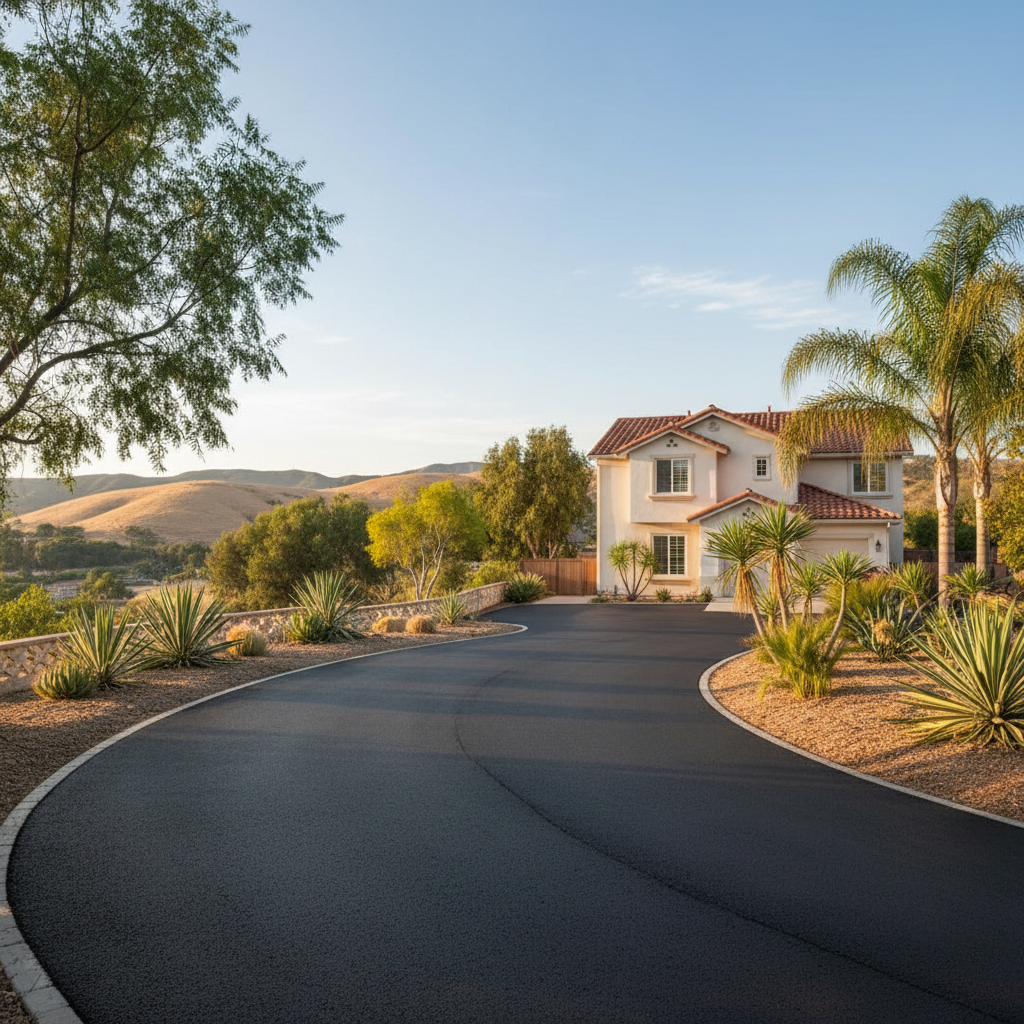
Alright, let's talk driveways. You shelled out good money to get that asphalt or concrete poured, and you want it to last, right? Of course you do. I've been doing this for years here in Costa Mesa, and I can tell you, a little bit of smart maintenance goes a long way. It's not rocket science, but ignoring it? That's where you run into trouble.
How to Make Your Driveway Last Longer: The Basics
Think of your driveway like anything else you own that gets used a lot – your car, your tools. It needs some care. The biggest thing I see people mess up around here, especially with our hot summers and those occasional heavy downpours, is drainage. Water is the enemy of any paving job, seriously. Make sure your gutters are clean and draining away from the driveway, not onto it. If you've got sprinklers, adjust 'em so they're not constantly soaking the edges of your paving. That constant wet-dry cycle, especially on the asphalt, will break it down faster than anything.
Another big one? Heavy loads. I know, you've got a buddy with a huge RV or a contractor dropping off a pallet of pavers. Try to avoid parking really heavy vehicles in the same spot all the time, especially on hotter days. That weight, combined with the heat softening the asphalt, can cause indentations and rutting. If you've got a concrete driveway, heavy point loads can lead to cracking over time.
Regular Upkeep: What You Should Be Doing
This isn't a full-time job, I promise. But a few simple things can make a huge difference.
- Keep it Clean: Sweep off leaves, dirt, and debris regularly. Organic matter holds moisture against the surface, which is bad news. Also, any oil or gas spills? Clean 'em up immediately. They'll eat away at asphalt and stain concrete pretty quickly. A good degreaser and a stiff brush usually do the trick.
- Sealcoating (for asphalt): If you've got an asphalt driveway, sealcoating is your best friend. It's like sunscreen for your paving. It protects against UV rays, water, and oil spills. How often? Generally every 2-3 years, but it depends on traffic and sun exposure. Down here in Costa Mesa, with our strong sun, I lean towards the shorter end of that spectrum. We do a lot of sealcoating at Sunrise Paving, and it truly makes a difference.
- Crack Sealing: This is crucial for both asphalt and concrete. If you see small cracks, fill 'em. Don't wait. A small crack lets water in, and once water gets under your paving, it starts eroding the base. That's when you get potholes or bigger slab movement. You can buy crack filler at any hardware store. Just make sure the crack is clean and dry before you apply it.
Warning Signs: When to Pay Attention
Your driveway will usually tell you when it's got a problem, if you know what to look for. Don't ignore these:
- New Cracks or Spreading Cracks: A few hairline cracks are normal over time, especially with our expansive clay soils in some parts of Costa Mesa. But if you see cracks getting wider, longer, or new ones popping up all over the place, that's a red flag.
- Potholes: These are obvious. They start small, but they grow fast, especially after rain. They mean water has gotten under the surface and damaged the base.
- Fading or Discoloration (asphalt): If your asphalt looks gray instead of black, it's probably losing its protective oils and is getting brittle. It needs sealcoating.
- Pooling Water: After a rain, if you've got puddles that don't drain away within a few hours, you've got a drainage problem or a depression forming. This needs addressing before it gets worse.
- Uneven Surfaces or Sinking Spots: This is a big one. If parts of your driveway are sinking or heaving, it means your base is failing. This is often due to water erosion or poor compaction when it was first installed.
When to Call a Professional
Look, I'm all for DIY, but some things are best left to the pros. If you see any of those major warning signs – significant cracking, potholes, pooling water, or uneven surfaces – don't try to patch it with a bucket of cold mix and hope for the best. That's usually a temporary fix that costs you more in the long run.
When the problem goes beyond a simple crack fill or a fresh sealcoat, you need someone to assess the underlying issue. It might be a base problem, a drainage issue that needs re-grading, or even a complete section that needs to be removed and replaced. A good contractor, like us at Sunrise Paving, will come out, give you an honest assessment, and explain your options. We'll tell you what needs doing and why, so you can make an informed decision and keep your driveway looking good and functioning safely for years to come.