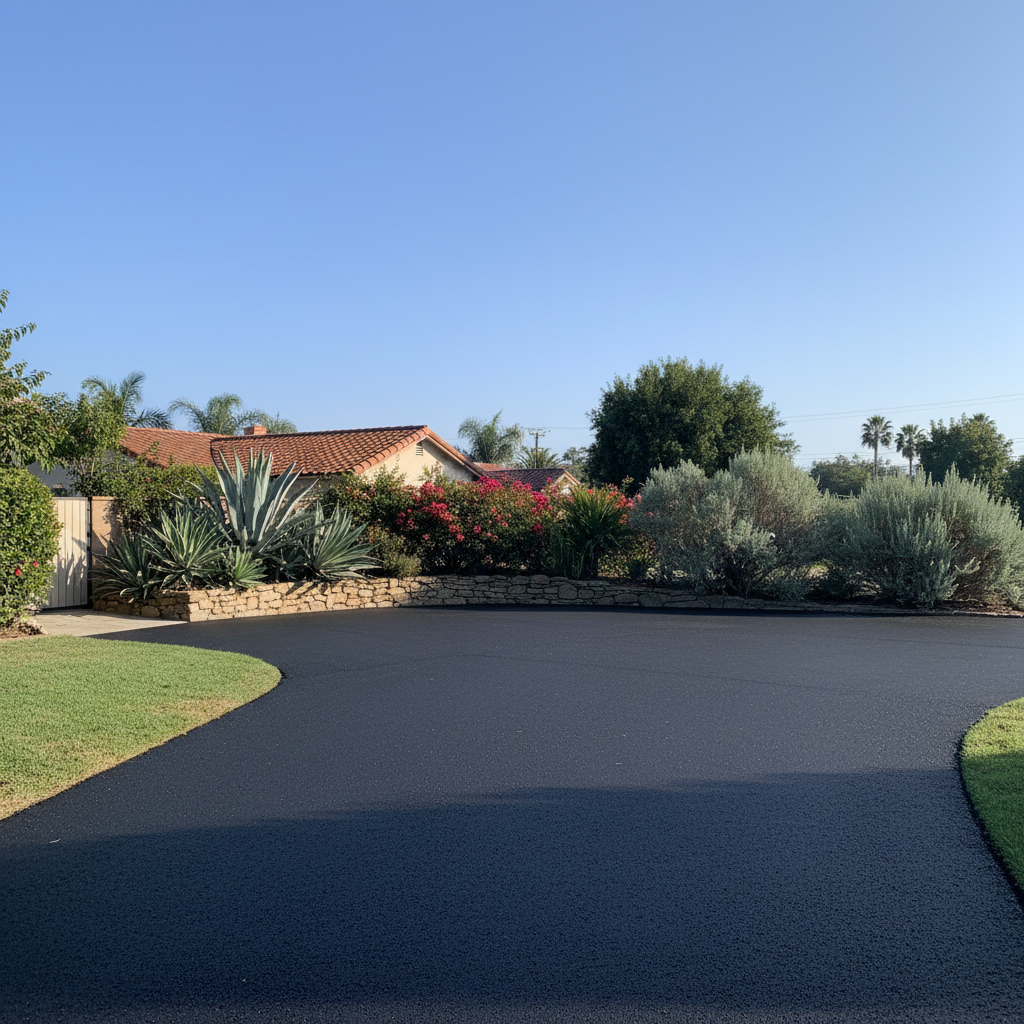
Alright, let's talk asphalt. You've got a driveway, a parking lot, maybe even some private roads, and you want it to last. That's smart, really. Ignoring your asphalt isn't just an eyesore; it's a fast track to some seriously expensive repairs. Here in Costa Mesa, with our blazing sun and those occasional heavy rains, asphalt needs a bit of extra love to stay strong. I've seen too many folks wait until a small crack turns into a crater, and trust me, you don't want to be one of them.
Extend Your Asphalt's Life: It's All About Prevention
Think of your asphalt like your skin – constant sun exposure isn't good for it. In Southern California, UV rays are a big problem. They dry out the binder that holds the asphalt together, making it brittle and prone to cracking. That's why prevention is absolutely key.
- Sealcoating: Your Asphalt's Sunscreen. This is probably the single best thing you can do. A good sealcoat acts like a protective layer, shielding your asphalt from water, oil, chemicals, and especially those harsh UV rays. We at Sunrise Paving recommend sealcoating every 2-3 years. It keeps the asphalt flexible and dark, which is important for its longevity.
- Keep it Clean. Sounds simple, right? But regularly sweeping away dirt, leaves, and other debris prevents them from breaking down the surface and speeding up cracking. If you spill oil or other chemicals, clean them up fast. Those can really weaken the asphalt, you know?
- Mind the Edges. The edges of your pavement often take a lot of stress, especially if vehicles drive off them. Make sure they're well-supported. Crumbling edges are an early warning sign.
- Proper Drainage is Non-Negotiable. Standing water is the enemy of asphalt. It seeps into cracks and undermines the base, leading to bigger problems like potholes and warping. Make sure your property has good drainage, especially around areas like the lower parts of Mesa Verde where water can collect after a good downpour. If you see puddles that stick around for hours after a rain, you've got a drainage issue that needs fixing.
Regular Maintenance: Your Asphalt's Check-Up
You wouldn't skip your car's oil changes, would you? Your asphalt needs regular check-ups too. The goal is to catch small issues before they become big, expensive headaches.
- Inspect Regularly. Walk your property at least twice a year, maybe in spring and fall. Look for any changes. Take pictures of problem spots over time – it helps you track how quickly things are deteriorating.
- Crack Sealing. Small cracks are inevitable, but don't ignore them. Fill them promptly with a rubberized sealant. This stops water from getting into the sub-base, which is where the real damage happens. Even hairline cracks can let water in, and that's when things go downhill fast.
- Patching Potholes. If a pothole does form, get it patched. Potholes are usually a sign of an underlying issue that wasn't addressed. Leaving them just makes them bigger and more dangerous.
Warning Signs: When Your Asphalt is Crying for Help
Your asphalt will tell you when it's in trouble. You just need to know what to look for. Don't wait until it's a full-blown disaster.
- Alligator Cracking. This is a network of interconnected cracks that looks like alligator skin. It usually means the sub-base is failing, often because water got in there. If you see this, it's a serious sign.
- Fading and Graying. Asphalt should be black. If it's turning gray, it means the binder is oxidizing and losing its flexibility. This makes it more prone to cracking.
- Potholes. Obvious, right? But don't just see them as a nuisance. They indicate localized disintegration and often stem from unaddressed cracks or weak spots.
- Standing Water. We talked about this, but it bears repeating. Any area where water consistently pools after rain means you have a drainage problem or depressions in the pavement. This needs to be fixed.
- Warping or Buckling. If your pavement looks wavy or uneven, it's a sign of significant structural issues, often with the foundation or subgrade.
- Crumbling Edges. If the asphalt around the perimeter is breaking apart, it might not have had proper support during installation or it's just really deteriorated.
When to Call a Professional: Don't DIY Everything
Look, I'm all for homeowners tackling projects, but some things are best left to the pros. When it comes to asphalt, trying to fix a major issue yourself can end up costing you more in the long run.
- When Cracks are Wide or Deep. If cracks are wider than a quarter-inch, or you're seeing extensive networks like alligator cracking, it's time to call us. DIY crack fillers might work for hairline cracks, but anything bigger needs professional attention to prevent water from getting to the subgrade.
- Persistent Potholes. If you're constantly patching the same potholes, there's a deeper issue. We can properly assess the sub-base and make a lasting repair.
- Drainage Problems. Fixing drainage isn't just about filling a dip. It might involve regrading or installing catch basins. That's a job for someone with the right equipment and expertise.
- Large Areas of Deterioration. If you've got widespread fading, raveling (where the asphalt breaks down into gritty, gravel-like bits), or significant warping, you're likely looking at an overlay or even a full replacement. We can give you an honest assessment of what's needed.
- Anytime You're Unsure. Honestly, if you're looking at your asphalt and just have a gut feeling something's not right, give us a call. We offer free assessments. Small problems are always cheaper and easier to fix than big ones.
At Sunrise Paving, we deal with Costa Mesa's asphalt challenges every day. We know the unique demands our climate puts on pavement. Don't let your investment crumble. A little proactive care goes a long way in keeping your asphalt safe, functional, and looking good for years to come.