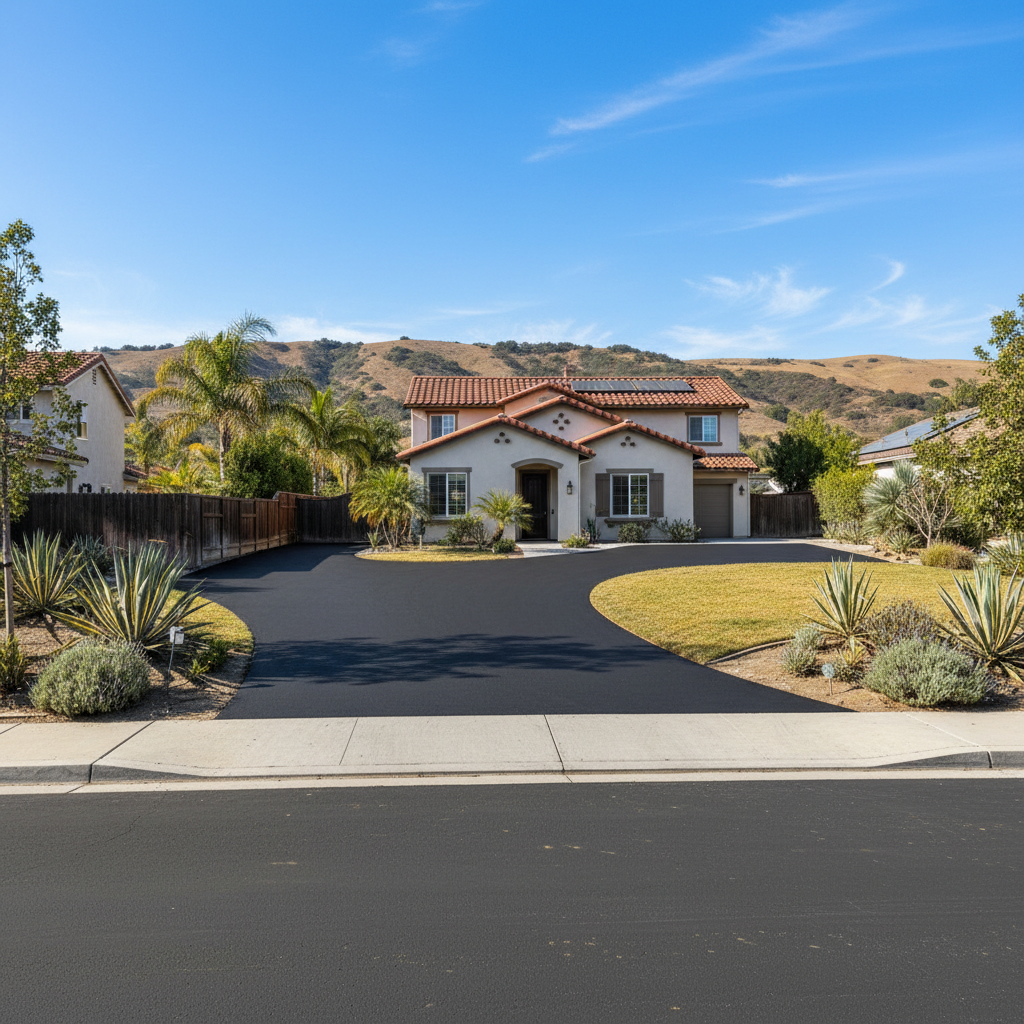
Your asphalt driveway is a big investment, no doubt about it. And here in Costa Mesa, our unique climate means you've really got to think about the seasons to keep it in top shape. I'm going to walk you through the best times to schedule work, what kind of weather truly affects the job, and how to protect your asphalt all year long.
It's more than just getting the job done; it's about making sure it's done *right* so it actually lasts. Around here, "right" means understanding how our mild winters and warm, dry summers play into how long asphalt sticks around. You wouldn't want to pave your driveway in the middle of a February rainstorm, right? Exactly.
Scheduling Your Asphalt Work: Timing Is Everything
When you're putting down new asphalt or tackling big repairs, timing is probably the most important thing. We've got a pretty sweet deal here in Costa Mesa with our Mediterranean climate—warm, clear summers and mild, partly cloudy winters. Even so, there are definitely ideal windows for this kind of work.
Spring: A Decent Start, But Watch for Rain
Spring can be a good time for asphalt work. Temperatures begin to climb, and any winter chill in the ground starts to thaw out. For us, that usually means the soil is in good condition for getting the base ready. The real sweet spot is generally late spring, when daytime temperatures consistently hit above 50°F and nights stay above 40°F. The biggest headache in spring? Rain. Most of our precipitation hits in the winter and early spring, with February often being the wettest month. You absolutely need a dry base for proper paving, so if rain is in the forecast, we'll have to reschedule.
Summer: Peak Time, But Beat the Heat
Summer is usually when asphalt paving really takes off. Why? Consistent warm temperatures help the asphalt stay workable during installation and cure properly afterward. Dry weather is also a huge plus for getting that base just right. Typically, June and July are the best summer months. August can work, but you've got to be careful about extreme heat. If it's too hot—think above 95°F—the asphalt can get too soft, making it tough to compact correctly. When we're working in the heat, we often start early in the morning, getting a jump on that scorching afternoon sun, especially in neighborhoods like Mesa Verde where you get direct sun all day.
Fall: Often the Sweet Spot
Honestly, I'd say fall is often the absolute best time for asphalt paving around here. Temperatures are moderate, humidity drops, and the weather tends to be more predictable. Daytime temps between 60-80°F are just perfect for installation and curing. Plus, cooler nights help the asphalt set without those wild temperature swings that can sometimes mess with the curing process. Aim for early to mid-fall, before those real winter rains start to kick in.
Winter: Generally Not Recommended
While our winters are mild, they're just not ideal for major asphalt projects. Cold temperatures make the asphalt cool and harden too quickly, which can prevent proper compaction and lead to weak spots. We're talking about needing ambient air temperatures of at least 50°F and rising for a good installation. If it's much colder, the material simply doesn't bond right, and you'll end up with a driveway that won't last. On top of that, winter is our rainy season, and you absolutely cannot pave on a wet base. Period.
Weather Conditions That Affect the Work
Beyond just the season, specific weather conditions play a huge role in how well your asphalt project turns out. It's not just about the air temperature, either.
- Temperature: This is a big one. Hot mix asphalt goes down at temperatures between 275°F and 325°F. It needs to stay hot enough to be properly compacted. If it cools too fast, it won't compact right, leading to a weaker surface. On the flip side, extreme heat can make it too soft.
- Rain and Moisture: This is a deal-breaker. You simply cannot pave on a wet base. Rain can prevent proper adhesion and compaction, even washing away essential oils in the mix. If there's rain within 24 hours before paving, we'll almost certainly need to delay.
- Humidity: Low humidity helps asphalt cure better. Our coastal humidity isn't usually a major problem for paving, but it's something we keep an eye on.
- Wind: Strong winds can cool the asphalt too quickly, especially when it's being laid. This can cause problems with binding and compaction, particularly if the air temperature is already on the lower end of the acceptable range.
Protecting Your Investment Year-Round
Once your new asphalt is in, the work isn't over. You've got to protect that investment. Asphalt takes time to fully cure—we're talking anywhere from 30 days to six months, sometimes even a year, depending on the conditions. It hardens as it cools and the volatile oils oxidize.
- Initial Curing: For the first 24-48 hours, stay off it completely. Light foot traffic is usually okay after that, but keep vehicles off for at least 3-7 days. Driving on it too soon can cause ruts and tire marks that are a real pain to fix.
- Sealcoating: This is basically your asphalt's sunscreen and protective layer. It helps protect against UV rays, water penetration, and oil spills. I generally recommend sealcoating every 2-3 years, but that can vary depending on traffic and how much sun your driveway gets.
- Crack Sealing: Don't let small cracks become big problems. Water is asphalt's enemy. When water gets into cracks, it expands and contracts with temperature changes, making those cracks bigger. Seal them up quickly to prevent further damage.
- Cleaning: Keep your driveway free of dirt, debris, and especially oil or gas spills. These can break down the asphalt binder over time. A good sweep and occasional wash can really go a long way.
- Drainage: Make sure water drains off your driveway properly. Standing water is a recipe for premature deterioration. If you've got low spots, we can definitely talk about solutions.
Look, your asphalt driveway is a big part of your home's curb appeal and functionality. Here at Sunrise Paving, we've truly seen it all, and we know what it takes to make asphalt last in Costa Mesa. By understanding our local climate and taking these seasonal tips to heart, you'll keep your driveway looking good and performing strong for years to come.