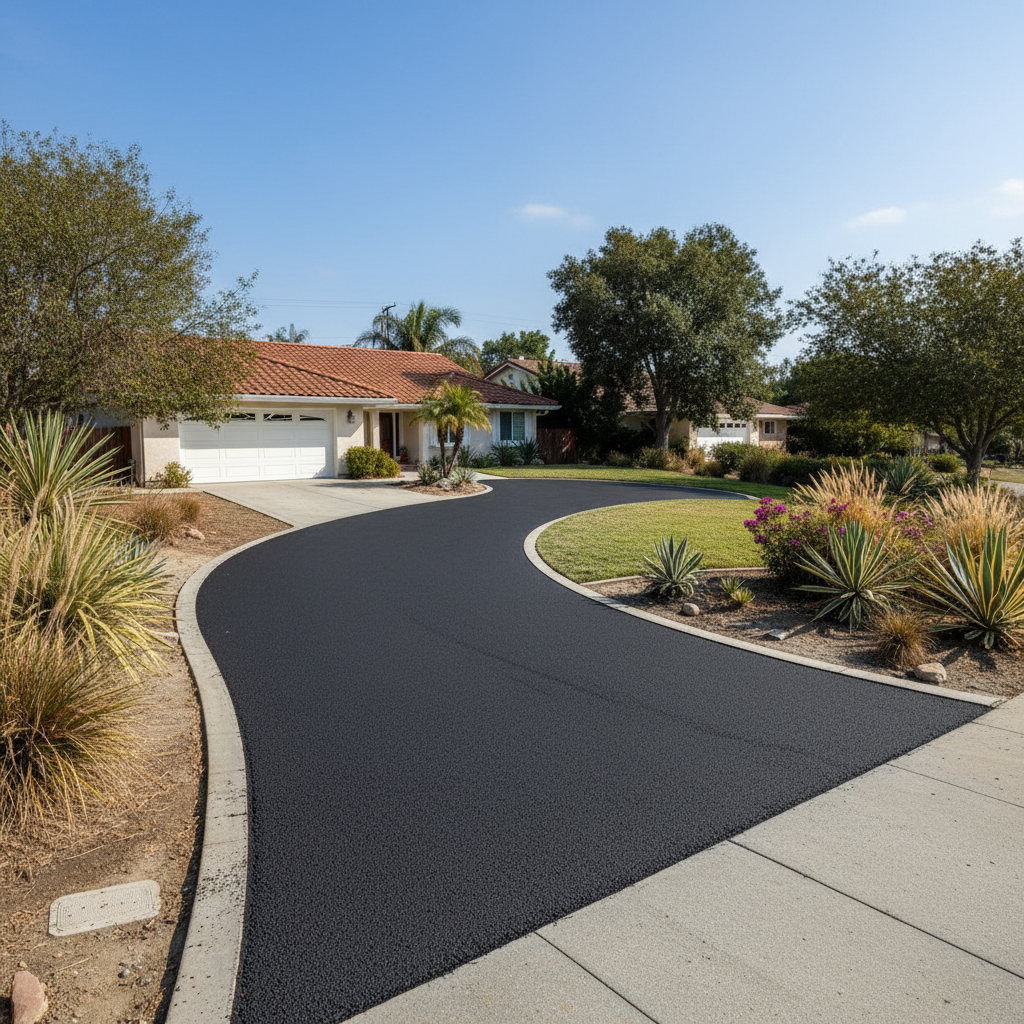
Planning Your Asphalt Repair: A Costa Mesa Homeowner's Guide
Got some cracks, potholes, or just tired-looking asphalt around your Costa Mesa home? It's a common issue, especially with our coastal weather and the way the ground shifts a bit around here. Fixing it up isn't just about making things look better; it's about protecting your investment and keeping things safe. But before you call up the first guy you find online, let's talk about what goes into a solid asphalt repair project.
The Timeline: What to Expect
People always ask me, "How long is this going to take?" and the honest answer is, it depends. A small patch job on a driveway might be done in a few hours once we're on site. A larger repair, like resurfacing a significant portion of a private road or a big parking area, could take a day or two. But the actual work is only part of the timeline.
- Initial Contact & Estimate: This usually takes a few days from your call to getting someone out to look at the job and send you a quote. Good contractors are busy, so don't expect same-day service.
- Scheduling: Once you approve the estimate, you'll need to get on the schedule. Depending on the time of year and how busy we are, that could be anywhere from a week to a few weeks out. We try to be flexible, but good work takes planning.
- Permits (Rare for Residential Repair): For most residential asphalt repairs, you probably won't need a permit. You're usually just fixing what's already there. But if you're significantly changing the footprint or adding new impervious surface, it's worth checking with the city's building department, just in case.
- The Work Itself: As I said, a few hours to a couple of days for most residential jobs.
- Curing Time: This is important. After we lay down fresh asphalt, you can't drive on it right away. We'll give you specific instructions, but generally, plan on staying off it for at least 24-48 hours, sometimes longer for heavy vehicles or in very hot weather.
What Happens During the Repair Process?
When my crew from Sunrise Paving shows up, here's a general idea of what you'll see us doing:
- Preparation: We'll clean the area thoroughly. That means sweeping, blowing, and sometimes pressure washing to get rid of dirt, debris, and loose material. If there are potholes, we'll cut out the damaged sections cleanly.
- Addressing the Base: This is crucial. If the base layer underneath your asphalt is unstable or poorly drained, the repairs won't last. We'll make sure the base is solid and properly compacted. Sometimes this means adding new aggregate.
- Applying Tack Coat: This is a sticky asphalt emulsion that helps the new asphalt bond to the old surface. Don't skip this step; it's what makes the repair durable.
- Laying New Asphalt: We'll apply the fresh hot asphalt mix. For smaller patches, it's often done by hand; for larger areas, we might use paving equipment.
- Compaction: This is where the magic happens. We use heavy rollers or plate compactors to compress the new asphalt, making it dense and strong. Proper compaction prevents future cracking and extends the life of the repair.
- Cleanup: We'll clean up our mess, leaving your property tidy.
How to Prepare Your Property
You don't need to do much, but a little prep goes a long way to make the job smoother:
- Clear the Area: Move your cars, bikes, trash cans, planters, and anything else off the driveway or repair area.
- Trim Landscaping: If you have bushes or trees hanging over the work area, give them a trim. It helps us get equipment in and prevents damage to your plants.
- Keep Kids & Pets Away: Hot asphalt is dangerous. Keep everyone, especially little ones and animals, a safe distance from the work zone.
- Discuss Access: If we need to block your driveway for a day, make sure you've got a plan for parking your car.
- Water Access: Sometimes we need access to a water spigot for cleaning or equipment. Let us know if that's an issue.
Questions to Ask Before You Sign
Don't be shy. You're hiring someone to work on your home, so ask away. Here are some key questions:
- Can you provide a detailed, written estimate? Make sure it breaks down the costs and specifies the work to be done.
- What kind of asphalt mix will you be using? Different mixes are suited for different applications.
- How will you prepare the existing surface? This tells you if they're just patching over problems or fixing them right.
- What's your process for compaction? Proper compaction is critical for durability.
- Do you guarantee your work? If so, for how long? A reputable contractor will stand behind their repairs.
- Are you licensed and insured? Always, always ask for proof. You don't want liability falling on you if something goes wrong.
- Can you provide references? Talk to other homeowners they've done work for.
- What's the payment schedule? Avoid contractors who demand 100% upfront. A deposit is normal, but final payment should be upon satisfactory completion.
Doing your homework upfront means you'll get a quality repair that lasts, and you won't have any nasty surprises. It's your home, so make sure you're comfortable with the plan and the people doing the work.