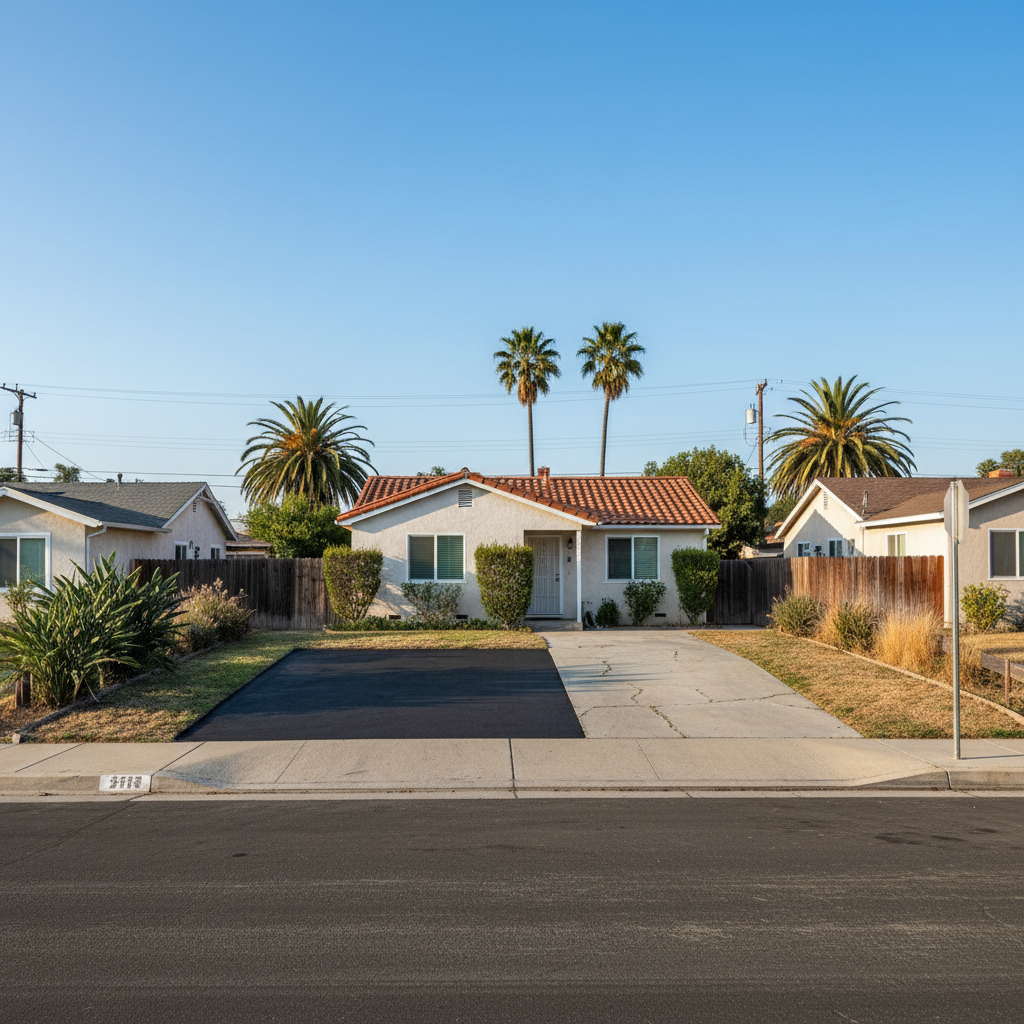
You've seen 'em, haven't you? Those little cracks that start small, then turn into big ones, and eventually become potholes that make your coffee slosh every time you drive over them. Asphalt patching isn't just about tossing some hot mix into a hole; it's about really understanding why that hole showed up in the first place, especially right here in Costa Mesa.
I've been working on asphalt around here for years, and what I've picked up is that Costa Mesa isn't quite like every other city. Our unique mix of coastal air, the soil underneath our feet, and even how our neighborhoods are laid out means that a one-size-fits-all approach to patching just won't cut it. You really need someone who knows the local quirks, someone who's seen it all – from the charming, older streets on the Eastside to the busy commercial areas near the 405.
Why Your Asphalt Cracks Here
First things first, let's talk about the ground we're built on. A lot of Costa Mesa sits on clay soils. Now, clay, that's a tricky customer. When it gets wet, it puffs up. When it dries out, it shrinks back down. This constant movement right under your asphalt is a huge reason for cracks and, eventually, those annoying potholes. It's like the ground is always shifting, pulling and pushing at your pavement from below.
Then there's our coastal climate. We all love that ocean breeze, but it's not always asphalt's best friend. The salty air and the changing temperatures, even though we don't get harsh freezes, cause the asphalt itself to expand and contract. This steady stress, mixed with the soil moving around, really speeds up wear and tear. You'll spot this especially in places like Mesa Verde, where you've got older, well-established neighborhoods with big, mature trees whose roots can also mess with the pavement.
Oh, and let's not forget water. Costa Mesa's pretty flat, so when it rains, water can just sit there. If that water finds a crack, it seeps down, softens the base layer, and then, boom, you've got a pothole getting ready to form. That's why getting the drainage right and picking the best materials are super important.
Common Patching Jobs I See Around Town
I handle all kinds of patching work, big and small, for both homes and businesses. Here are a few common ones you might recognize:
- Driveway Potholes: These are probably the calls we get most often. Whether it's a single-family home in the Halecrest area or a multi-unit complex, potholes are just a pain and a safety risk. We don't just fill them; we cut out the bad section, fix the base, and then compact new asphalt so it actually lasts.
- Parking Lot Repairs: Commercial spots, especially those busy shopping centers along Harbor Boulevard or industrial parks, see a ton of traffic. Cracks and potholes here aren't just ugly; they're a liability issue. We're often doing bigger area patching or specific repairs to keep things safe and looking good for customers and employees.
- Utility Cut Patching: Ever notice a fresh patch after the gas company or water department digs up the street? That's a utility cut. It's really important these are done right to stop future problems.
- Edge Repairs: Sometimes the edges of a driveway or parking lot start to crumble away. This often happens because of a lack of support or water getting in. We'll shore up and repair those weak spots before they spread further.
Why Local Expertise Isn't Just a Fancy Term
You might think asphalt is asphalt, but honestly, it's not. Here's why having a local pro like Sunrise Paving makes a real difference:
- Understanding the Soil: Like I said, our clay soils are unique. A contractor from out of town might not know to consider that expansion and contraction, which can lead to repairs failing too soon. We know which parts of the city have the heaviest clay conditions and what extra base prep work is needed.
- Materials for Our Climate: We use asphalt mixes made to stand up to UV damage and thermal expansion, which are common issues with our Southern California sun. We also know how our mild winters and occasional humidity affect how long it takes for materials to cure and what choices to make.
- Drainage Know-How: With our flat land, good drainage is absolutely key. We check your site's specific drainage patterns to make sure water flows away, instead of just sitting there and causing damage.
- Navigating City Permits: For bigger jobs, you might need an encroachment permit from the City of Costa Mesa Public Services Department. We're familiar with that whole process, so you don't have to stress about delays or headaches.
- Quick Response: When a pothole pops up, you want it fixed fast, right? Being local means we can get there quickly, cutting down on inconvenience and stopping small problems from turning into big, expensive ones.
When you're dealing with asphalt patching, you're not just fixing something on the surface. You're tackling underlying issues that are unique to our area. Don't just settle for a quick fix that won't hold up. Get it done right the first time with someone who truly understands Costa Mesa.