What exactly is asphalt milling, anyway?
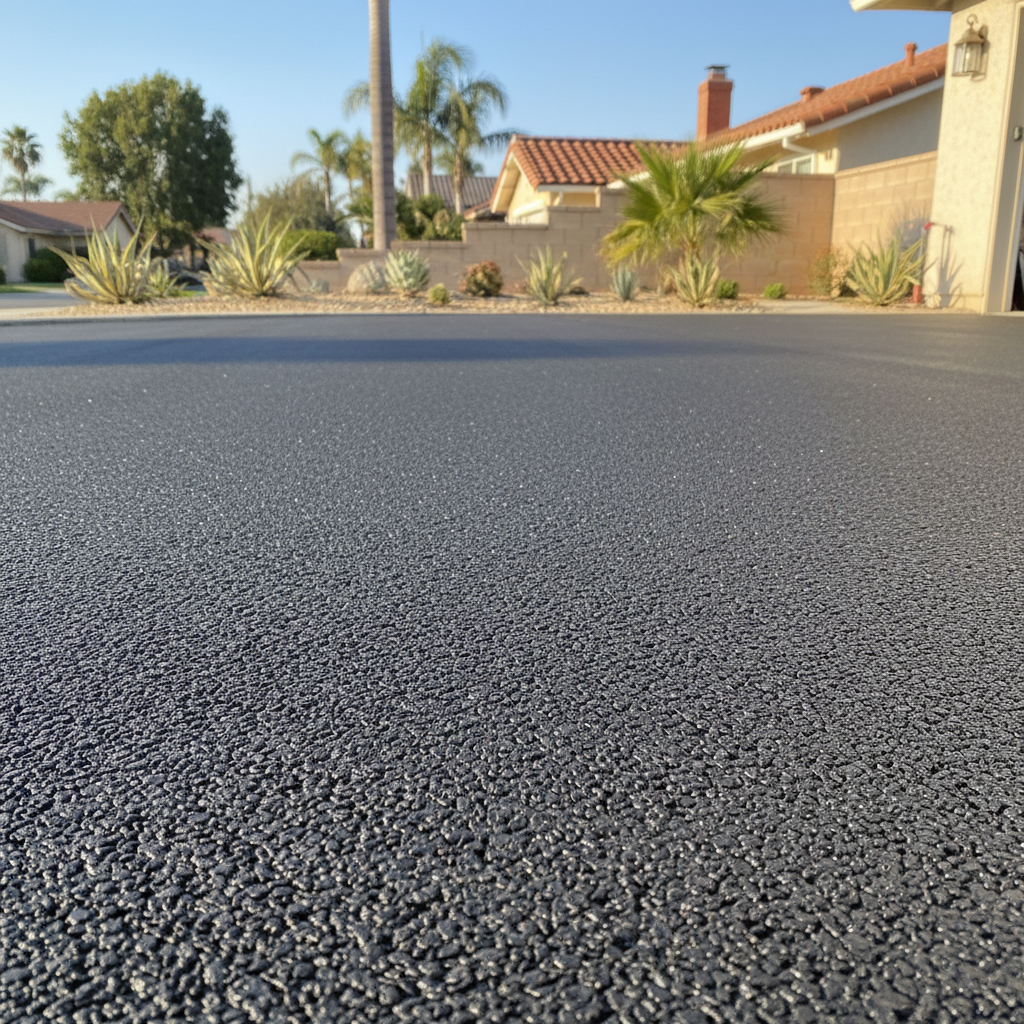
Alright, let's cut to the chase. Asphalt milling, sometimes called cold planing or profiling, is basically like giving your old asphalt surface a really precise shave. We use a specialized machine with a big rotating drum and a bunch of cutting teeth to grind off the top layer of existing asphalt. We don't dig up the whole thing; we just remove a specific amount, usually anywhere from an inch to several inches deep. The goal is to get rid of the worn-out, cracked, or uneven surface while leaving a solid base underneath. Think of it as preparing a perfect, level canvas for a brand new layer of asphalt.
Why would I choose milling over a full tear-out and replace?
That's a smart question, and it's where milling really shines for homeowners. First off, it's a lot more cost-effective. You're not paying for the massive demolition, hauling away tons of old material, and then bringing in all new base rock. We're just removing the bad stuff and reusing what's good. Second, it's faster. A milling job can be done quicker than a full reconstruction, which means less disruption for you and your neighbors. Third, it's environmentally friendly. All that milled asphalt? We don't just dump it. It's 100% recyclable and often gets used in new paving projects, which is a big plus for our local environment here in Orange County. Plus, it maintains your existing grade, so you don't have to worry about changing drainage patterns or suddenly having your driveway higher than your garage floor.
Is milling a good option for every driveway or private road?
Not always, no. Milling works best when the underlying base is still in good shape. If your driveway has major structural issues – we're talking big potholes that go all the way through, significant sub-base failure, or severe alligator cracking that indicates deep problems – then milling might just be a temporary band-aid. In those cases, a full tear-out and replacement might be the only long-term solution. I'll always come out and take a good look. We'll check the integrity of the existing asphalt and the sub-base underneath. If it's just surface wear, minor cracking, or uneven spots, milling is usually a fantastic choice. But if your driveway is basically crumbling, we'll talk about other options.
What happens to all the old asphalt after it's milled?
Like I mentioned, that old asphalt doesn't go to waste. When we mill, the machine collects all those asphalt chunks and grinds them down into what we call Reclaimed Asphalt Pavement, or RAP. This RAP is then loaded onto trucks and taken to a recycling facility. They process it and often mix it with new asphalt binder to create fresh asphalt mixes. Sometimes it's used as aggregate in base layers for new roads or parking lots. It's a pretty efficient system, and it keeps a lot of material out of landfills, which is something we're proud of at Sunrise Paving. It's good for your wallet and good for the planet.
How long does a milled and repaved surface last?
That's a fair question, and the answer depends on a few things. If the milling is done right, and a good quality new asphalt layer is put down on a solid base, you can expect a milled and repaved surface to last a good 15-20 years, sometimes even longer. That's assuming proper maintenance, of course. Things like sealing it every few years, addressing any small cracks early, and keeping heavy vehicles off it if it's not designed for them. Here in Costa Mesa, with our generally mild weather, asphalt holds up pretty well. But if you've got a lot of heavy trucks or RVs constantly on a residential driveway, that'll shorten its lifespan no matter how well it was installed. It's all about the initial quality and then how you treat it.
Will milling affect my drainage or the height of my driveway?
This is one of the big advantages of milling, actually. Because we're only removing the top layer and then replacing it with a new layer of similar thickness, we maintain the existing grade and drainage patterns. If your driveway already drains well, it should continue to do so. If it has some minor pooling issues, sometimes we can even adjust the milling depth in certain spots to improve the slope slightly before the new asphalt goes down. We're not adding a thick new layer on top of an existing one, which can raise the surface and create problems with garage door clearances, sidewalks, or adjacent landscaping. We're essentially just refreshing the surface without changing the overall elevation. It's a pretty seamless process when done by experienced pros like us.
What's the process like from start to finish?
Okay, so you've decided milling is the way to go. Here's how it usually shakes out. First, we'll do a thorough inspection and give you a detailed quote. Once you give us the green light, we'll schedule the work. On milling day, our crew will come out with the milling machine. They'll carefully grind off the old asphalt layer to the specified depth. We'll clean up all the loose debris and make sure the surface is ready. Then, the paving crew comes in. They'll apply a tack coat, which is like a glue to help the new asphalt adhere to the old base. Finally, they'll lay down the fresh, hot asphalt, spread it evenly, and compact it with rollers. We'll make sure it's smooth, level, and looks great. You'll usually be able to drive on it within a day or two, though we always recommend waiting a bit longer if you can, especially for heavy vehicles. We'll give you all the specific instructions for your new surface.